

Hair loss can creep up slowly, then suddenly feel loud. One day, it’s “maybe my part looks wider,” and the next it’s strategic lighting and hats that get more outings than you do. If you’re considering a transplant, it helps to understand that implanted hair follicles need time, care, and realistic expectations to look their best.
What a Hair Transplant Really Does
A hair transplant takes healthy follicles from parts of the scalp that tend to keep growing well, usually the back or sides, and relocates them to areas where hair has thinned. The aim is to add fullness or rebuild the hairline in a way that still looks like “you.” That’s why careful design and precise placement by the clinician matter. It’s not about creating unlimited new hair; it’s about making smart use of the donor supply. It’s also important to know what a transplant does not do. It does not stop future hair loss in untreated areas. If you’re still losing hair, you may need medical treatment alongside the procedure. A transplant can improve appearance, but it won’t “freeze” genetics.
What the Process and Recovery Can Feel Like
Procedures are usually done under local anaesthetic, and most people go home the same day. You’ll have small scabs, redness, and tenderness for a period. Swelling can happen, particularly around the forehead, and it can look surprising for a few days. It’s temporary, but it can make you feel like you’ve lost a fight with a very polite bee. Aftercare is where results are protected. You’ll need to follow washing instructions, avoid heavy exercise for a period, and keep your hands off the grafts. Sleeping position can matter early on as well. Expect shedding of transplanted hairs in the first weeks, which can be alarming if you’re not prepared.
Who Tends to Get the Best Results
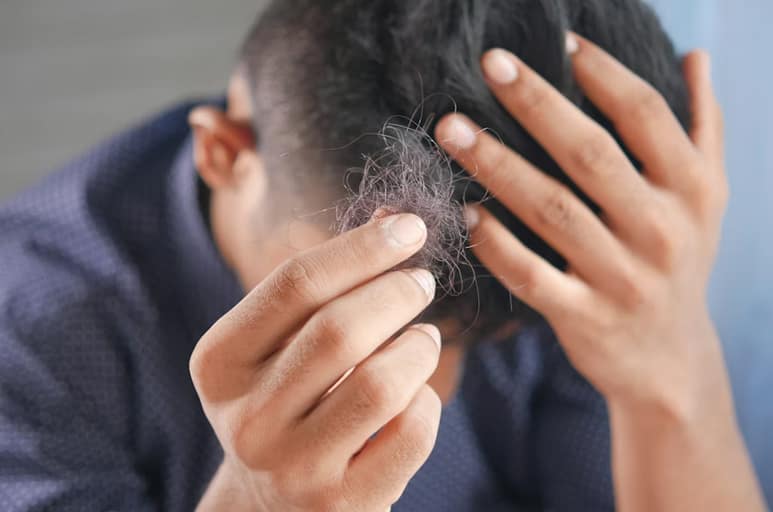
Good candidates usually have stable hair loss patterns and enough donor hair to work with. People with mild to moderate thinning often see more natural outcomes than those with advanced loss. Age plays a role, too, because hair loss patterns become clearer over time. This helps planning, and planning helps you avoid a result that looks odd a few years later. Scalp health matters as much as hair count. Inflammation, dandruff-like conditions, or scarring disorders can affect healing and growth. That’s why a medical assessment is useful before booking anything. If a clinic skips questions about your scalp, medications, and hair history, treat that as a red flag.
Timeline and Expectations, Without the Fantasy Version
Hair transplants are slow-burning results. Many people start noticing changes around three to six months, with fuller outcomes often closer to nine to twelve months. This timeline varies, but patience is part of the deal. If you’re expecting “new hair by next weekend,” you’ll be disappointed and slightly grumpy. Also, density has limits. One session may improve appearance but not create the thickness of a teenage hairline. The aim is a natural look that matches your face and hair characteristics. Some people choose a second session later, depending on goals and donor supply. A good consult will explain what’s realistic, not sell you a fairy tale.
The Right Clinic in Australia With the Right Questions

In Australia, it’s worth choosing a clinic that focuses on medical assessment, clear planning, and patient education. Ask who will perform each step, including extraction and placement. Ask about expected graft numbers and how the hairline design is decided. Ask to see results in patients with similar hair type and loss pattern. Clear answers are a good sign. If you want a starting point for professional guidance, New Hair Clinic provides consultations and information that can help you understand options and suitability. Bring photos, a timeline of your hair loss, and a list of medications or health changes.
Take notes during the consult, because it’s easy to forget details once you’re thinking about your future hairline. The best choice is the medically sound one, not the one that’s loudest on social media.


