The Allure of Gambling
The allure of gambling can often be attributed to the thrill and excitement it provides, especially when considering options at a secure online casino with fast withdrawal options . The potential for a life-changing win captures the imagination of many, making the experience intoxicating. The bright lights, engaging sounds, and social atmosphere create an environment that feels alive and vibrant, encouraging players to stay longer and invest more time and money. This sensory stimulation activates the brain’s reward system, releasing dopamine and creating a euphoric feeling that can lead to repeated behavior. For many, this rush serves as an escape from the mundanity of everyday life, offering a brief respite from personal challenges.

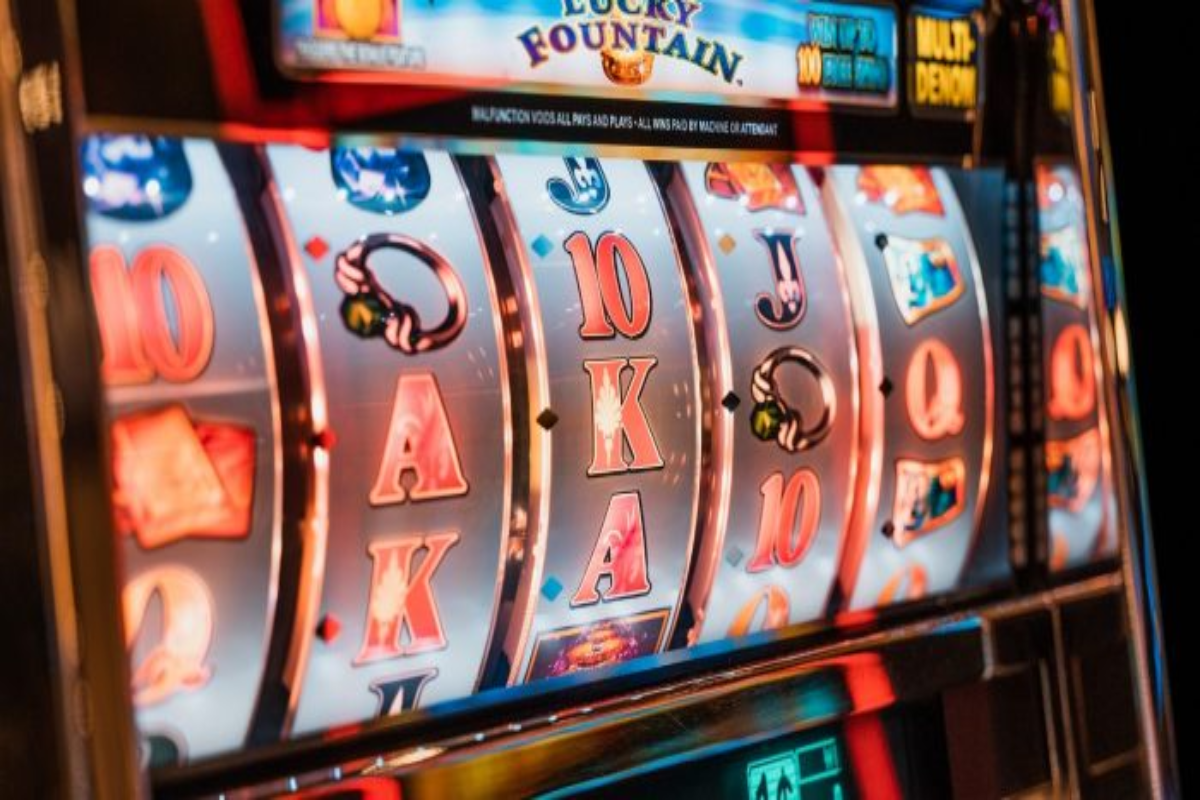
Additionally, the way gambling games are designed plays a significant role in their psychological appeal. Slot machines, for instance, are engineered to keep players engaged by utilizing near-misses and intermittent rewards. This means that even when players don’t win, the experience of almost winning can trigger excitement and motivate them to continue trying. This seemingly innocuous design contributes to the cycle of addiction, as players may experience compulsion to chase their losses, believing that a big win is just around the corner. Consequently, the thrill of gambling is magnified, creating an addictive cycle that can be hard to break.
Moreover, the social aspect of gambling cannot be overlooked. Many individuals find community and camaraderie in casinos, forming connections with fellow gamblers. This sense of belonging can reinforce gambling behavior, as individuals often seek out social activities that involve gambling as a way to bond with friends or relatives. The dynamic between social interaction and gambling can ultimately lead to a heightened desire to participate, driving individuals deeper into the world of casino gaming. This social reinforcement can further complicate the relationship with gambling, making it difficult for individuals to recognize when their behavior has crossed into problematic territory.
Psychological Factors Contributing to Addiction
Several psychological factors contribute to the development of gambling addiction. One key aspect is the presence of cognitive distortions, such as the illusion of control. Players may believe that they can influence the outcome of a game through strategy or luck, leading them to take unnecessary risks. Moreover, confirmation bias can play a role, causing individuals to remember their wins while disregarding their losses. This cognitive dissonance creates a false sense of success, reinforcing the desire to gamble further. Such biases can trap individuals in a cycle of betting, where they continuously justify their actions based on skewed perceptions of luck and skill.
Another important factor is the role of emotional regulation in gambling behavior. Many individuals turn to gambling as a coping mechanism for stress, anxiety, or depression. The thrill of risking money can provide a temporary escape from these negative emotions, creating a cyclical pattern of use that is difficult to break. Over time, the initial thrill may become insufficient to fill the emotional void, leading gamblers to place higher bets or spend more time gambling in search of that elusive high. This emotional dependence can amplify the addiction, as individuals seek to replicate the initial feelings of excitement and relief they experienced.
Social and environmental factors also contribute significantly to the risk of developing gambling addiction. For instance, individuals who associate with heavy gamblers may be more likely to adopt similar behaviors. Additionally, exposure to gambling advertisements and promotions can normalize the activity, making it seem like a common and socially acceptable pastime. This normalization can encourage individuals to engage in gambling without fully considering the potential consequences, contributing to a greater risk of addiction. The intersection of these psychological and social influences creates a complex web that can ensnare individuals into compulsive gambling behaviors.
The Role of Neurobiology in Gambling Addiction
Understanding the neurobiological mechanisms behind gambling addiction provides insight into why some individuals become more vulnerable than others. Research indicates that areas of the brain associated with reward and impulse control, such as the prefrontal cortex and the limbic system, are significantly affected in those with gambling disorders. An imbalance in neurotransmitters, particularly dopamine, can lead to impulsive behavior and heightened sensitivity to rewards, making the excitement of gambling more appealing. This biological response can create a feedback loop, where the brain craves the stimulation and rewards associated with gambling.
This neurobiological predisposition can be further complicated by genetic factors. Studies suggest that individuals with a family history of addiction may be more likely to develop gambling problems themselves. Genetic predispositions can influence how individuals process rewards and respond to stress, which can be critical in developing unhealthy gambling habits. This genetic component underscores the complexity of addiction, illustrating that it is not solely a matter of personal choice but also a product of biological vulnerabilities. Understanding these genetic influences can help in developing targeted interventions for those at risk.
Moreover, chronic gambling can lead to long-term changes in brain chemistry and structure. These alterations can impair decision-making capabilities and increase impulsivity, creating a vicious cycle that reinforces gambling behavior. As the brain adapts to high-stimulation environments like casinos, the need for increased levels of engagement can lead individuals to escalate their gambling activity, placing them at a higher risk for addiction. Understanding these biological underpinnings is crucial for developing effective treatment strategies that address both the psychological and physiological aspects of gambling addiction.
Recognizing the Signs of Addiction
Recognizing the signs of gambling addiction is essential for early intervention and support. One of the most telling indicators is a preoccupation with gambling, where individuals find themselves constantly thinking about past bets or planning future gambling sessions. This incessant focus can interfere with daily responsibilities, relationships, and overall well-being. Moreover, individuals may engage in deceitful behavior to hide their gambling habits or the extent of their losses, further isolating themselves from friends and family. Acknowledging these signs early can be pivotal in addressing the addiction before it escalates.
Another common sign of gambling addiction is the increasing amount of money and time spent on gambling. This often goes hand-in-hand with repeated failed attempts to cut back on gambling activities. The compulsive need to chase losses can escalate, leading individuals to risk significant financial resources that can jeopardize their stability. Understanding these patterns is crucial for both individuals and their loved ones, as recognizing these behaviors can facilitate important conversations about seeking help. Early detection may lead to more successful interventions and a better chance of recovery.
Additionally, emotional responses associated with gambling can serve as red flags. Feelings of anxiety or irritability when not gambling can indicate a growing dependence on the activity for emotional relief. The need to gamble to escape negative emotions, coupled with the realization of harmful consequences, can create an internal conflict that further entraps individuals in their addiction. Recognizing these emotional cues can be a critical step in prompting individuals to seek the help they need, fostering a supportive environment for recovery.
Resources and Support for Recovery
It is essential for individuals struggling with gambling addiction to know that support and resources are available. Various organizations offer counseling, education, and support groups aimed at helping individuals confront their addiction and reclaim their lives. Therapies such as Cognitive Behavioral Therapy (CBT) have shown efficacy in treating gambling disorders by addressing cognitive distortions and developing healthier coping mechanisms. Support groups, including those modeled after traditional 12-step programs, provide a platform for sharing experiences and finding community among those facing similar challenges. These resources can be invaluable for individuals seeking to break free from their addiction.
In addition to professional treatment, self-help strategies can also play a critical role in recovery. Establishing a budget, setting limits on gambling activities, and avoiding triggers can help individuals regain control over their gambling behavior. Seeking out alternative activities that provide social interaction and excitement can also be beneficial. Many individuals find new hobbies, exercise, or volunteer work to be effective substitutes that aid in reducing the urge to gamble. These strategies not only help manage gambling urges but also promote overall well-being.
Ultimately, understanding that recovery is a gradual process is key. Many individuals may experience setbacks along the way, but staying committed to change and seeking support can lead to lasting improvement. Connecting with professionals who specialize in addiction can provide tailored guidance suited to individual needs and experiences. Recognizing the complexities of addiction can help foster empathy and drive meaningful conversations about prevention and recovery. By utilizing available resources and establishing a strong support network, individuals can find their way back to a healthier, more fulfilling life.